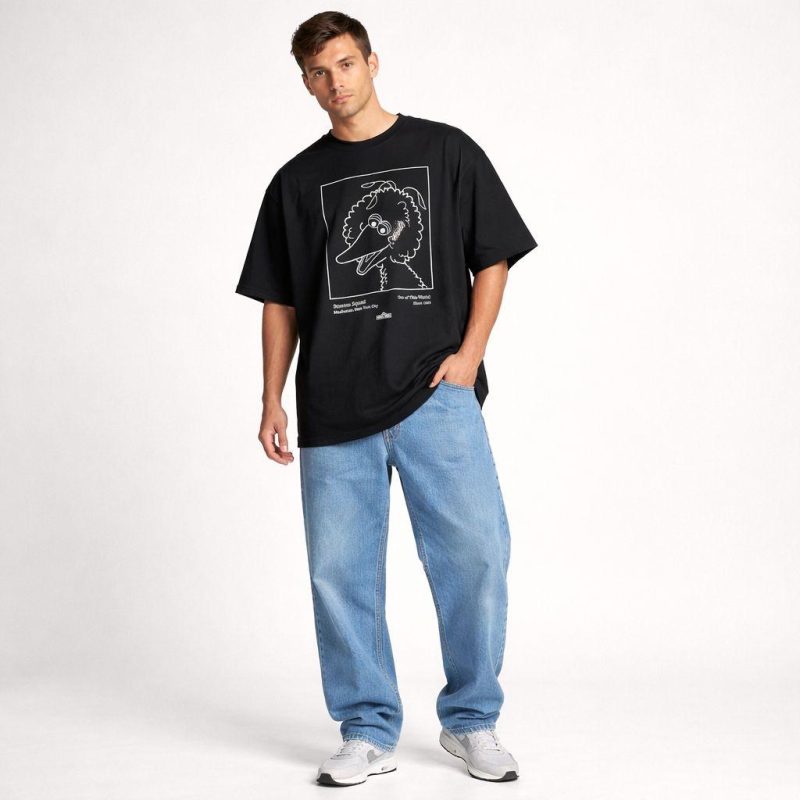
What to Check Before Buying Vetements Clothing Online


Introduction
Shopping for streetwear online makes it easier to explore different styles, compare clothing options, and find pieces that match your personal taste. However, buying clothing without seeing or trying it on in person can also create questions about sizing, fabric quality, product accuracy, shipping, and returns.
If you are exploring vetements clothing, taking a few minutes to review product details before ordering can help you make a more informed decision. Whether you are looking for a graphic T-shirt, a hoodie, a jacket, or a coordinated outfit, knowing what to check can reduce unnecessary purchases and make online shopping more convenient.
The best approach is to look beyond product photographs and promotional descriptions. Pay attention to garment measurements, material information, seller transparency, total costs, and the policies that apply after you place an order.
This guide explains the most important things to consider before purchasing streetwear online so you can choose clothing that suits your preferences, wardrobe, and budget.
1. Check the Product Details Carefully
Before purchasing anything, read the complete product description. Photographs can help you understand a garment’s appearance, but they do not always show every detail you need to make a decision.
A useful product description should explain the clothing type, available sizes, material composition when known, design details, and care instructions. Depending on the product, it may also include measurements, closure details, pocket information, and the intended fit.
When exploring vetements clothing, consider whether the listed features match what you actually want to purchase.
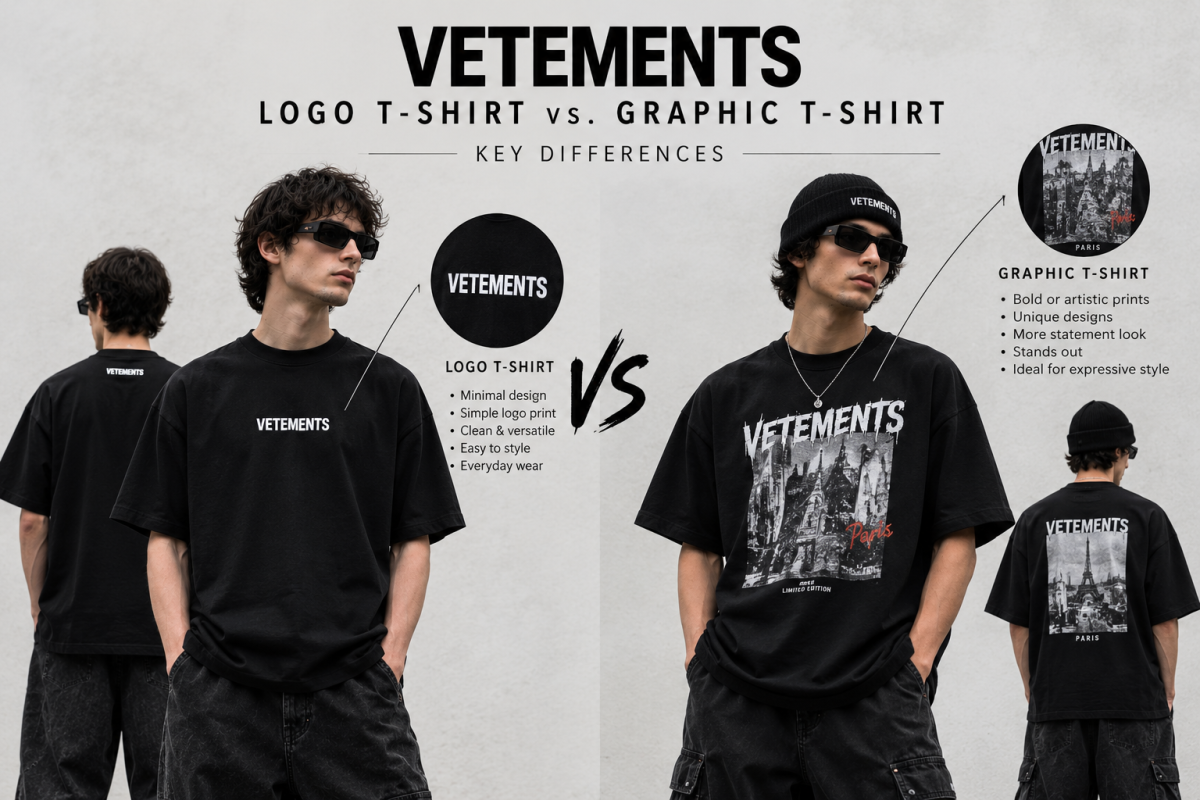
For example, a hoodie may have a pullover or zip-up design. A T-shirt may feature a printed graphic, embroidered detail, or a plain finish. These differences can affect how the garment looks and how you plan to wear it.
Before adding an item to your cart, ask yourself:
- Does the description clearly identify the product?
- Are the available sizes listed?
- Is the material information provided?
- Are the photographs consistent with the written description?
- Are care instructions available where appropriate?
If important information is missing, contact the seller before placing your order.
2. Review the Size Chart Before Ordering
Sizing is one of the most important things to check when buying clothing online. A garment that looks great in a photograph may not fit as expected if you choose the wrong size.
Do not assume that your usual size will fit every product in the same way. Sizing can vary between garments, manufacturers, and cuts. A regular-fit T-shirt and a relaxed-fit hoodie, for example, may have different measurements even when both carry the same size label.
To choose more confidently, follow these steps:
- Measure a T-shirt, hoodie, or jacket you already own and like wearing.
- Compare its measurements with the size chart for the product you want.
- Check the chest, shoulder, sleeve, body length, and other available measurements.
- Review whether the product is described as regular, relaxed, or oversized.
- Contact the seller if the measurements or fit description are unclear.
If you prefer a relaxed streetwear silhouette, consider the actual garment measurements instead of automatically ordering a larger size.
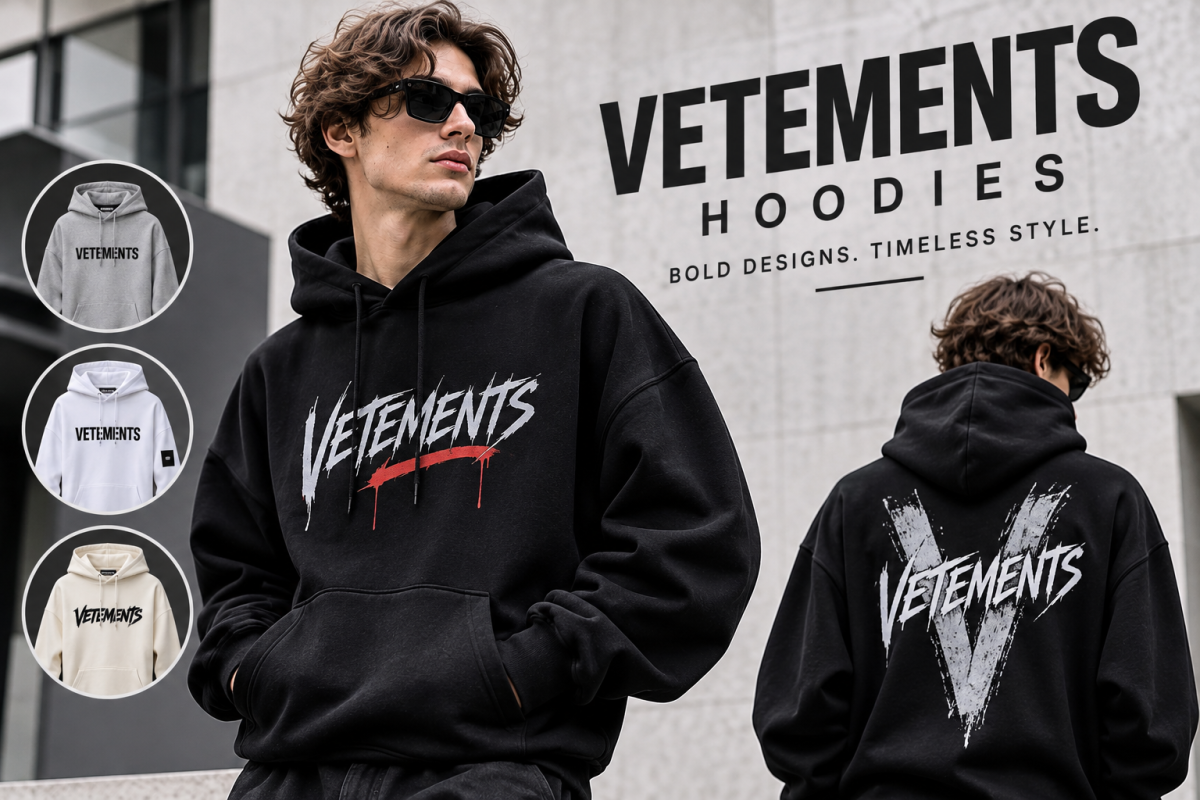
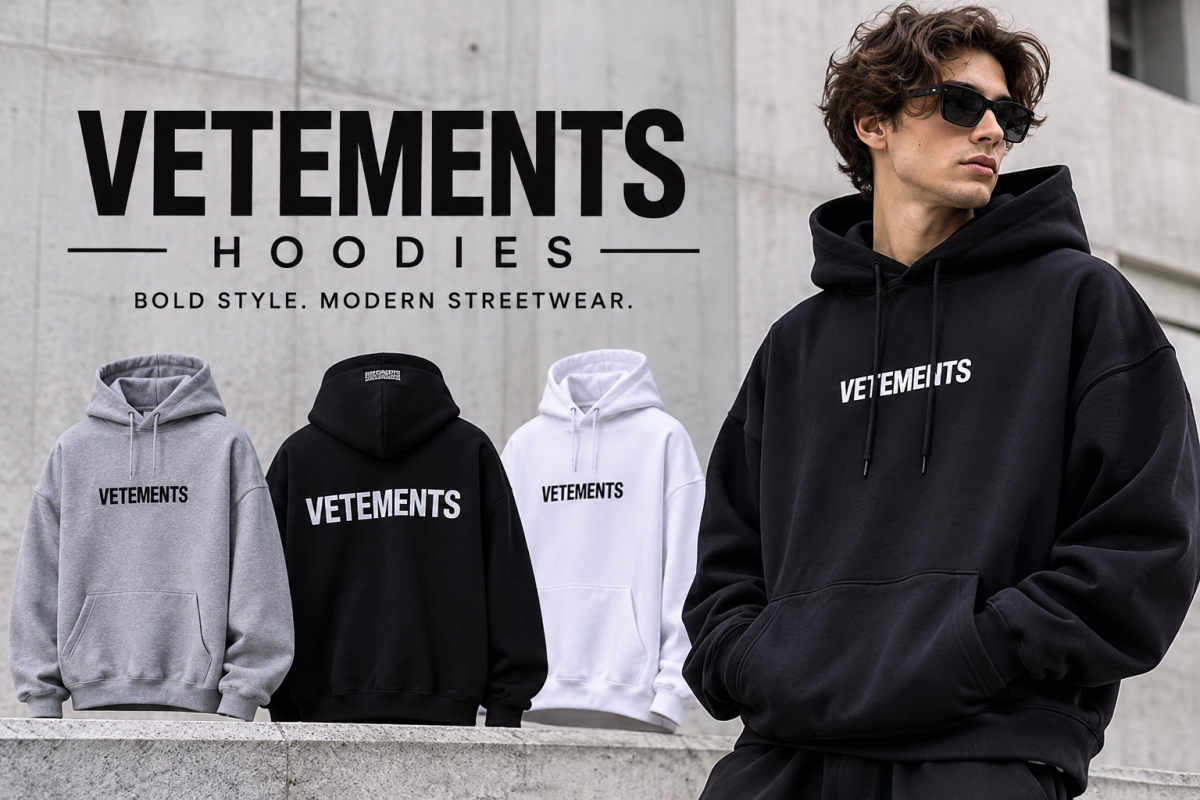
This is especially useful when comparing Vetements Hoodie styles, since different cuts and designs may produce different fits.
3. Understand the Fabric and Construction
Fabric affects how clothing feels, drapes, and performs during everyday wear. Before buying a garment online, review the listed material composition rather than judging its quality from appearance alone.
Cotton, polyester, and blended fabrics can have different characteristics. The final feel also depends on the fabric weight, construction, finish, and garment design.
If you are considering a hoodie, check whether the product description provides information about the fabric and care requirements. For T-shirts, look for available details about the material, neckline, stitching, and printed or embroidered elements.
You can also examine product photographs for visible construction details, including seams, cuffs, hems, and closures. However, photographs alone cannot confirm fabric composition or long-term durability.
When product details are limited, ask the seller for clarification rather than assuming a garment has particular properties.
The goal is to understand what you are buying and whether it suits your needs, climate, and preferred way of dressing.
4. Examine Product Photographs From Different Angles
Product photographs help you understand a garment’s color, shape, graphic placement, and overall appearance. However, a single photograph may not provide enough information to evaluate every important detail.
Look for images showing the front, back, sides, and close-up details where available. These views can help you understand how a design is positioned and whether the garment includes features such as pockets, zippers, embroidery, or additional graphics.
When reviewing product photographs, consider the following:
- Is the main design clearly visible?
- Are the colors reasonably consistent across the images?
- Can you see important construction details?
- Are multiple angles available?
- Does the written description match what the images show?
Remember that lighting, camera settings, and screen displays can affect how colors appear.
If you are comparing several products, examine the actual details rather than relying entirely on which image looks most attractive.
For shoppers exploring the Vetements T-Shirt collection, checking graphic placement and garment proportions can be particularly helpful when choosing between different designs.
5. Understand the Difference Between an Independent Retailer and an Official Brand Store
When shopping for designer-inspired streetwear, it is important to understand who is selling the product and what relationship, if any, the seller has with the brand.
A website using a brand name in its domain, page title, or product descriptions is not automatically the brand’s official website. Similarly, selling clothing associated with a particular fashion style does not establish an authorized relationship.
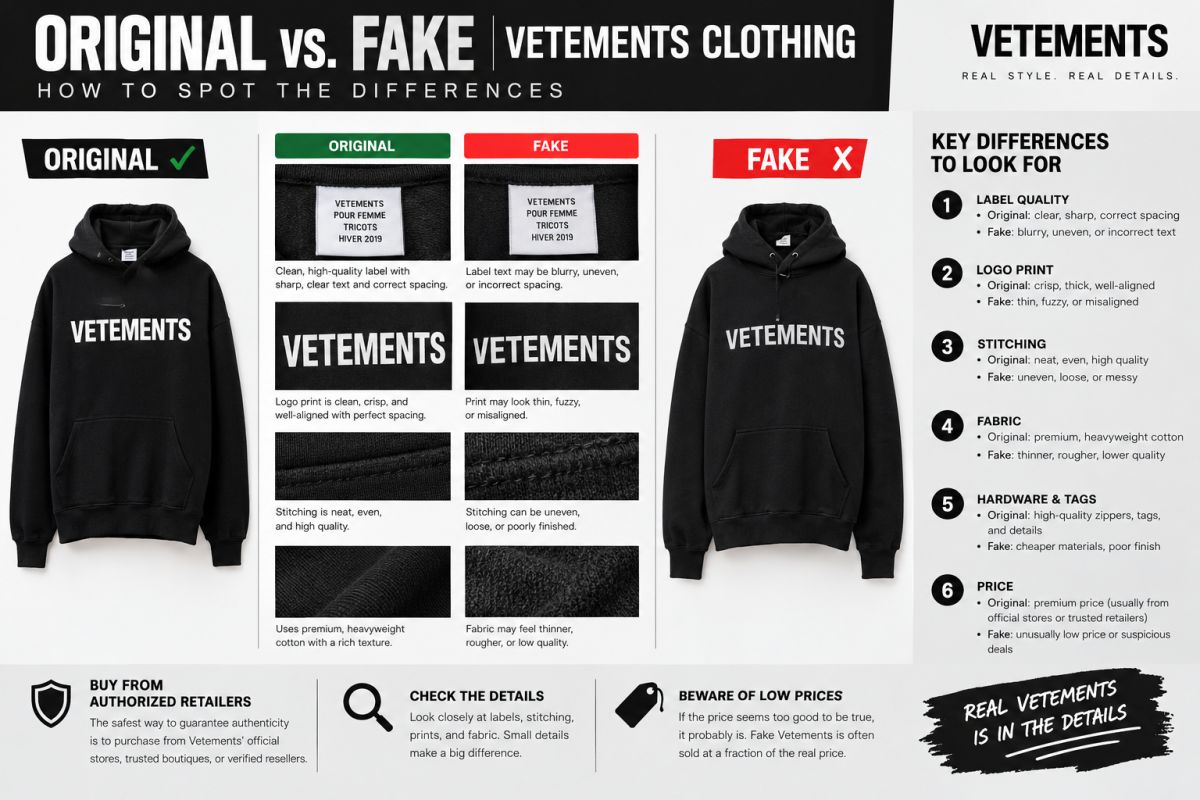
If you are searching for the Vetements official website, verify the identity of the actual website you intend to visit. Check its ownership information where available, contact details, brand disclosures, and any claims about authorization.
Before purchasing a branded item, consider these questions:
- Does the seller clearly identify the business operating the website?
- Does the product description accurately explain what is being sold?
- Are claims about authenticity or brand authorization supported by reliable evidence?
- Is the returns process explained?
- Can you contact the seller if a problem arises?
If authenticity matters to you, use reliable verification methods and avoid assuming that a product is authentic solely because of its photographs or price.
An independent retailer should describe its relationship with a brand accurately and should not imply official affiliation without authorization.
6. Compare Prices and Calculate the Total Cost
A product’s listed price is only one part of the total cost of an online purchase. Shipping charges, applicable taxes, import duties, and other fees may affect the final amount.
Before checking out, review the complete order summary. If you are buying from a retailer that ships internationally, confirm which delivery charges and import-related fees apply to your destination.
Comparing prices can help you identify options that suit your budget, but the lowest price does not always represent the best value.
Consider these factors when comparing products:
- The listed product price.
- Shipping charges and estimated delivery time.
- Applicable taxes and import duties.
- The seller’s return and exchange conditions.
- Product information and available customer support.
Be cautious of unusually low prices accompanied by vague descriptions, missing contact information, or unsupported authenticity claims.
The goal is to understand the complete purchase cost before committing your money.
7. Read the Shipping and Delivery Policy
Delivery information is especially important when ordering clothing online. Before purchasing, check whether the seller ships to your location and whether the estimated delivery period suits your needs.
A clear shipping policy should explain available destinations, processing times, estimated delivery windows, tracking information, and any relevant shipping charges.
Remember that order processing and transit are different stages. A retailer may need time to prepare an order before a courier begins transporting it.
If you need clothing for a particular event, allow enough time for possible delays. International shipments can be affected by customs processing, local delivery conditions, and other factors outside the seller’s direct control.
Before placing an order, confirm:
- Whether your country or region is eligible for delivery.
- The estimated processing and shipping periods.
- Whether tracking information will be provided.
- Who is responsible for any applicable import fees.
- How to contact customer support about a delayed shipment.
Clear delivery expectations can help you plan your purchase and understand what to do if your package arrives later than expected.
8. Check the Return, Refund, and Exchange Policy
Clothing may not fit as expected, or it may look different from what you imagined after viewing it online. This makes the return policy an important part of your buying decision.
Before ordering, check the period during which returns are accepted and whether the retailer offers refunds, exchanges, or store credit.
You should also review any conditions concerning unused garments, original tags, packaging, proof of purchase, and return shipping charges.
Some products may have specific restrictions, so do not assume every item is eligible for return.
If a product arrives damaged, incorrect, or materially different from its description, review the seller’s process for reporting the issue and retain relevant order information and photographs.
A useful checklist includes:
- How many days are allowed for a return?
- Does the item need to be unworn and in its original condition?
- Who pays for return shipping?
- How long may a refund take to process?
- Are exchanges available for a different size?
- What should you do if an order arrives damaged?
Understanding these conditions before checkout helps you avoid surprises if you need to return a purchase.
9. Look for Secure Payment Options
Payment security is another important consideration when buying clothing online. Before entering your payment information, make sure the checkout page uses a secure connection and that the website provides clear business and customer-support information.
A secure connection is useful, but it does not by itself prove that a retailer is trustworthy. Evaluate the website as a whole, including its policies, product descriptions, contact information, and payment process.
Where available, consider payment methods that provide appropriate transaction records and dispute procedures.
Never share your password, one-time verification code, or other sensitive account information with someone claiming to help process your order.
After completing a purchase, save the order confirmation and receipt. These records can help you follow up with the seller or your payment provider if a problem occurs.
Before checking out, confirm that the order summary shows the correct products, sizes, quantities, shipping address, and total price.
10. Check the Seller’s Contact Information and Customer Support
A reliable shopping experience should include a clear way to contact the business if you have questions about sizing, shipping, payments, or returns.
Look for a contact page with a working email address or another stated support method. Review the site’s shipping, refund, privacy, and terms policies to understand how the business handles customer information and orders.
If you have an important question, such as whether a particular size is available or whether an item can be delivered by a specific date, ask before placing your order.
You can also check independent customer reviews where available. Look for detailed feedback about product accuracy, delivery, and customer service rather than relying only on short, overly positive testimonials.
No single sign can guarantee a perfect shopping experience. However, transparent policies, consistent product information, and accessible support can help you make a more informed decision.
11. Choose Clothing That Fits Your Existing Wardrobe
A good purchase should work with the clothing you already own. Before buying another hoodie, T-shirt, or jacket, think about how you will style it with your existing jeans, trousers, and sneakers.
For example, a neutral hoodie can work with several pairs of jeans, while a graphic T-shirt may become the focal point of a simpler outfit.
If you want more variety, consider how different categories can complement each other:
- Vetements Hoodie: Pair with straight-leg jeans and everyday sneakers.
- Vetements T-Shirt: Wear with denim or layer under an open jacket.
- Vetements Tracksuits: Consider for coordinated casual outfits.
- Vetements Jackets: Use as an additional layer over a T-shirt or hoodie.
- Vetements Sweatshirts: Combine with jeans or relaxed trousers for a simple everyday look.
Thinking about versatility before purchasing can help you avoid unnecessary spending and make better use of each item.
12. Make an Informed Decision Before You Buy
The best online purchase is not necessarily the cheapest or the most heavily advertised. It is the one that matches your expectations, budget, and practical needs.
When researching the Vetements brand, take time to compare product information, review the seller’s policies, and verify claims that matter to you.
Exploring the Vetements collection can help you identify styles that suit your wardrobe, while researching Vetements fashion can provide inspiration for combining different pieces.
The word vetement may also appear in related clothing searches, but regardless of the search term you use, the same shopping principles apply: review the product details, understand the total cost, and make sure the seller communicates its policies clearly.
If you are looking for a retailer through a Vetements official website search, independently verify the identity and authorization status of the actual website you visit. Do not rely on a domain name alone to establish an official relationship.
Taking these steps can help you approach online clothing purchases more confidently.
Frequently Asked Questions
What should I check before buying clothing online?
Review the size chart, garment measurements, fabric details, product photographs, total price, shipping policy, return conditions, and seller contact information before placing an order.
How do I choose the right size when shopping online?
Measure a similar garment you already own and compare its dimensions with the product’s size chart. Check the fit description and ask the seller for clarification if important measurements are missing.
How can I tell whether an online clothing retailer is legitimate?
Review the business’s contact details, policies, product descriptions, and independent customer feedback. Verify any claims about brand authorization or product authenticity using reliable evidence.
Why should I check the return policy before buying a hoodie?
The return policy explains whether you can return or exchange an item that does not fit or meet your expectations. It also identifies deadlines, eligibility conditions, and possible return shipping costs.
Is the cheapest clothing option always the best choice?
No. Compare the total cost, product details, fit information, seller transparency, and return conditions. A low advertised price may not represent the best overall value.
What should I check before paying for an online clothing order?
Confirm the website’s security, verify the seller’s information, check the order summary, and review the total amount. Save your receipt and order confirmation after payment.
How can I avoid buying clothing that I will rarely wear?
Choose colors and styles that coordinate with your existing wardrobe. Before purchasing, consider whether you can create several outfits using the item and clothing you already own.
Final Thoughts
Buying clothing online can be convenient, but a little research before checkout can help you make better decisions. Review product descriptions, compare garment measurements, understand fabric details, and examine photographs carefully.
It is equally important to understand the seller’s identity, shipping charges, return conditions, and payment process. If authenticity or official brand authorization matters to you, verify those claims rather than relying on a website’s name alone.
Whether you are shopping for a hoodie, T-shirt, tracksuit, jacket, or sweatshirt, prioritize accurate product information and a clear understanding of the purchase terms.
Explore the Vetements Hoodie, Vetements T-Shirt, Vetements Tracksuits, Vetements Jackets, and Vetements Sweatshirts categories for more clothing and styling ideas.